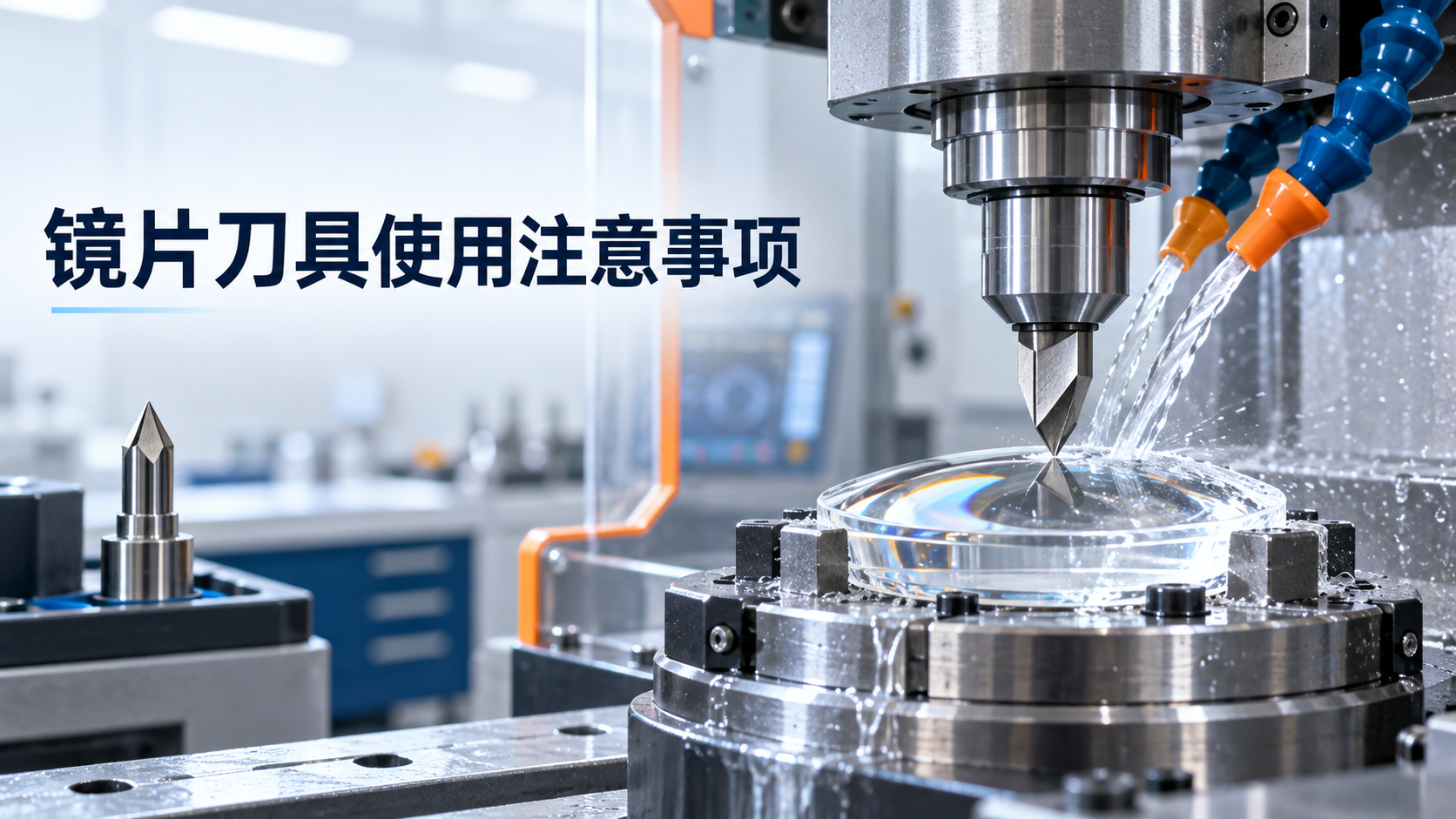
Mirror cutting tools are the core precision tools for eyeglass processing, mainly used for resin PC、 Grinding, slotting, and drilling operations for optical glass lenses. The cutting tools are precise and the lens material is fragile, prone to hot melting, and easy to scratch. During operation, it is necessary to strictly follow the specifications to avoid problems such as lens edge breakage, hot melting, scratching, cracking, and tool breakage, ensuring processing quality and operational safety.
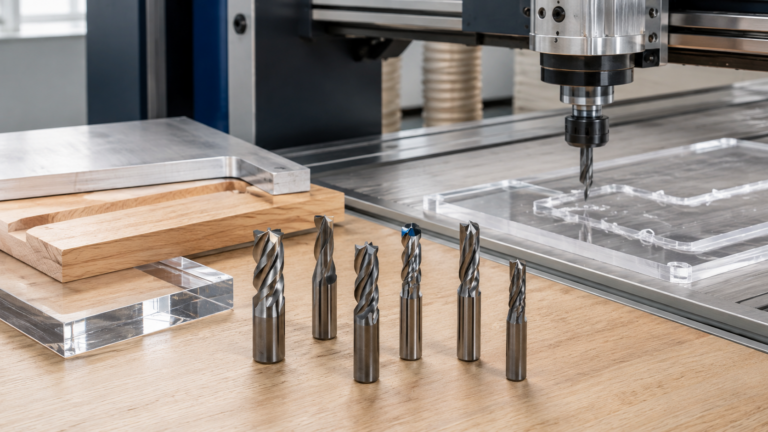
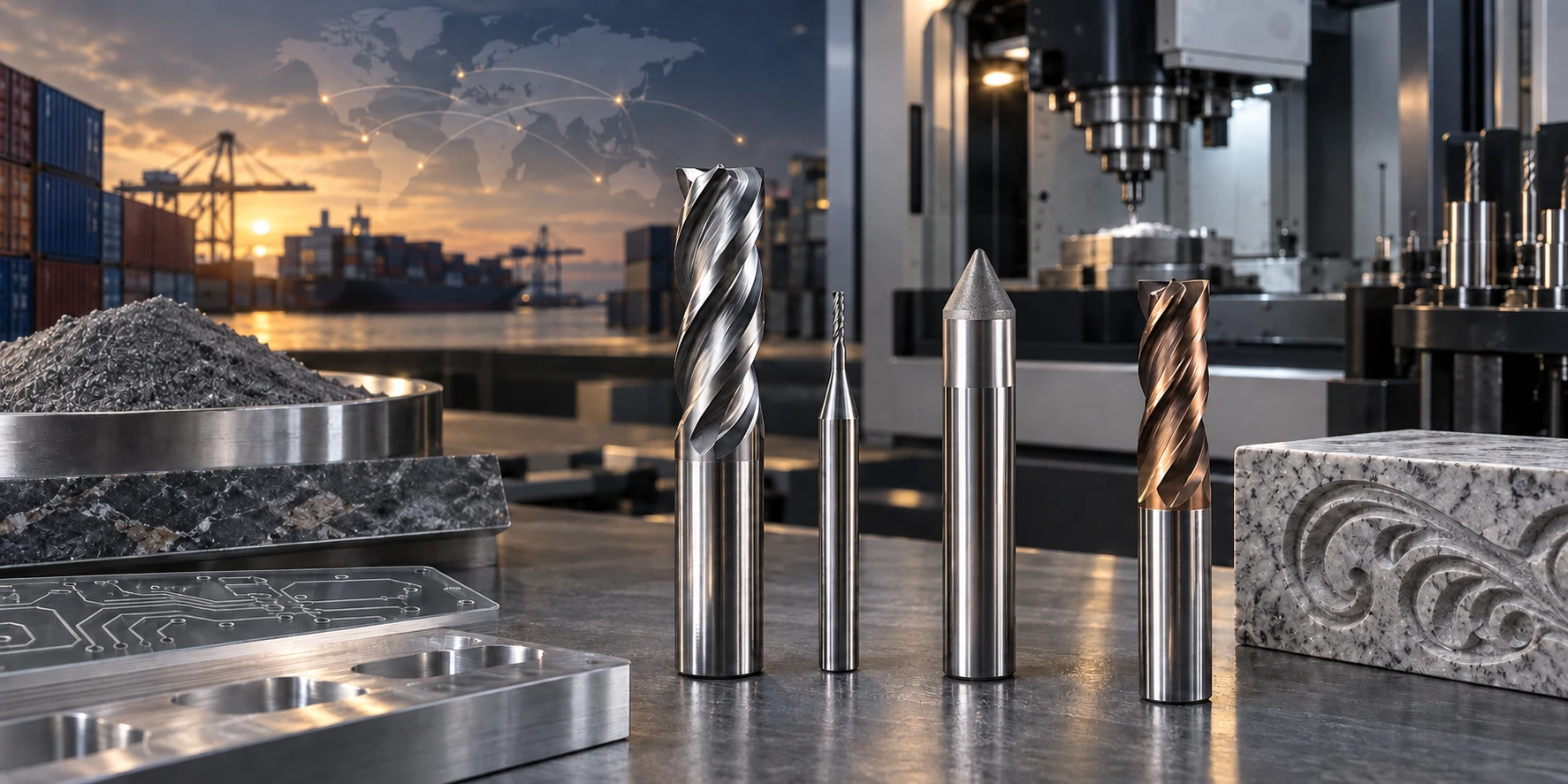
Before processing, it is necessary to select and inspect the cutting tools, and match the corresponding tools according to the lens material. The PC lens uses a dedicated single blade tungsten steel knife, suitable for dry cutting operations, to prevent sticking and melting of the knife; CR39 resin lenses can be processed by combining dry and wet conditions; Optical glass must use diamond cutting tools
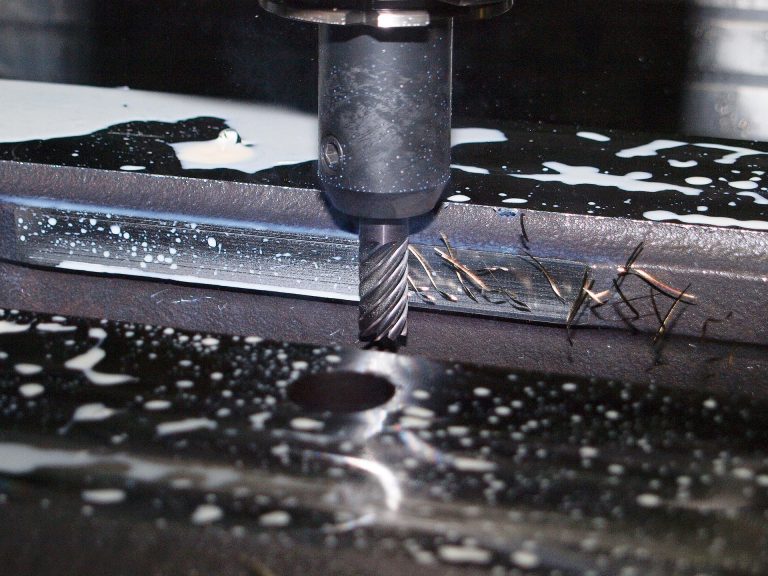
The entire process is water-cooled and dry cutting is strictly prohibited. At the same time, the condition of the cutting tools should be checked. Cutting tools with broken edges, wear, and chip sticking are prohibited from use to avoid affecting machining accuracy. When installing the tool, it is necessary to clean the chuck and handle, shorten the overhanging length of the tool, firmly clamp and accurately align the tool, and prevent equipment jumping and axis running problems.
During the processing, it is necessary to strictly control the cutting parameters, follow the principle of layered cutting, and eliminate one size fits all deep cutting. The processing of resin lenses adopts a high-speed, adaptive feed mode. If the speed is too slow, it is easy to generate heat and burn edges due to friction, and if the feed is too fast, it can cause lens edge breakage and tool breakage. At the same time, ensure the fixation and protection of the lens, firmly fix the lens, protect the coating surface from debris scratching the film layer, clean the chips in a timely manner throughout the process, and keep the processing area clean.
If there are abnormal situations such as equipment vibration, abnormal noise, lens smoking and melting during homework, the machine should be stopped immediately for troubleshooting. After processing, clean and classify the tools in a timely manner to avoid collision and wear. Standardizing the operation of lens cutting tools can effectively improve the qualification rate of lens processing, extend the service life of cutting tools, and avoid equipment failures and operational risks.