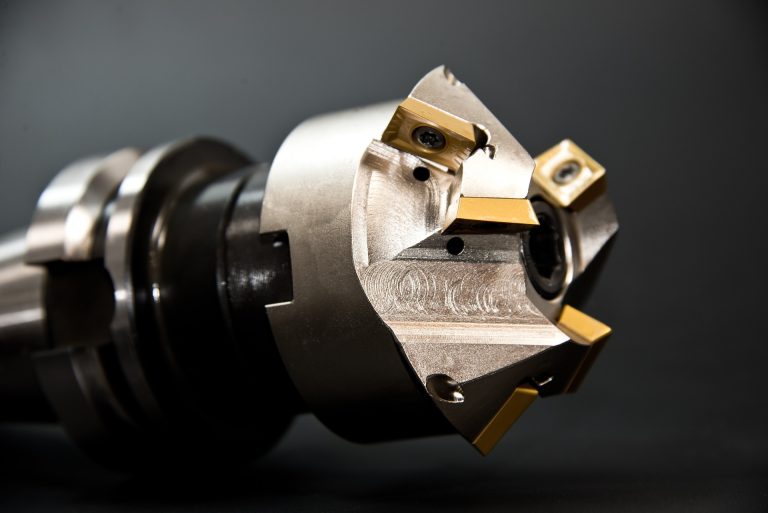
Overall market overview
In September, the cutting tool market entered the traditional peak season of the Golden September, showing an overall trend of horizontal fluctuations in raw materials, structural recovery in demand, and cautious market trading. The prices of conventional standard specification cutting tools are stable, with no significant fluctuations. The prices of high-end coated cutting tools, micro diameter cutting tools, and non-standard customized products are firm, and the market differentiation pattern is obvious. The industry as a whole mainly relies on replenishing inventory on demand and returning small orders, with few large-scale hoarding phenomena.
Upstream raw material cost situation
This month, the core raw materials for cutting tools such as tungsten concentrate and tungsten carbide powder have fluctuated weakly in a narrow range, and the long-term quotes of tungsten enterprises have been slightly lowered. The raw material side lacks strong upward momentum. The price of tungsten steel recycling waste has fallen synchronously, which has weakened the cost support for low-end recycling cutting tools. The stable and weak raw material market has kept the factory prices of conventional carving knives stable, while only high-end ultra-fine grain substrates, nano coatings, and diamond cutting tools maintain high prices due to high process costs.
Market performance of segmented categories
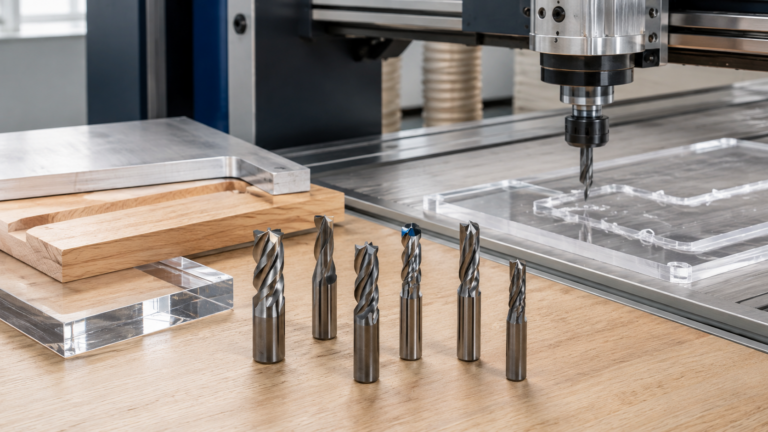
The woodworking carving tool market has entered a peak season recovery period, with increased production in the home customization and sheet metal processing industries, and increased demand for replenishment of conventional spiral knives and slotting knives. Southeast Asia and the Middle East have seen a month on month rebound in export orders, while demand in the European and American markets remains stable but prices are severely suppressed. Competition for low-end products is fierce, while the premium for high-end wear-resistant products remains stable.
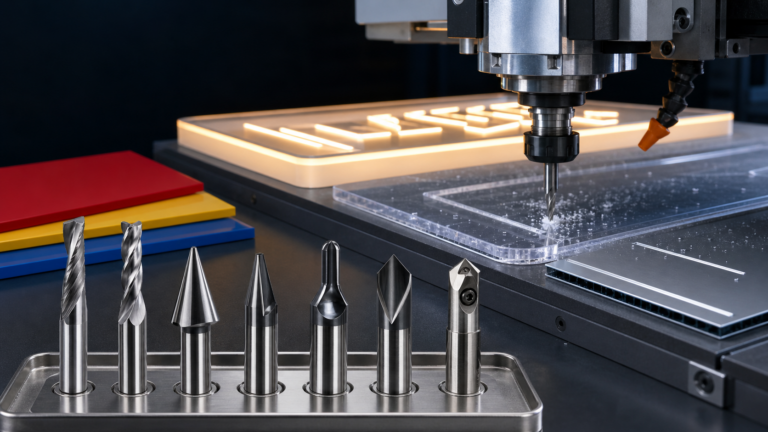
The demand for advertising carving tools has steadily rebounded, belonging to the perennial consumables market. Industry orders are mainly based on small batches, multiple specifications, and non-standard customization. Low end white label products have serious price competition and low profits, while brand product prices and sales are relatively stable.
PCB micro diameter carving tools are the strongest sub category this month, driven by the demand for precision circuit boards and AI board processing. The demand for micro diameter knives and corn milling cutters is strong, and the delivery time of high-end substrate and coating products is extended, with obvious premium space.
The demand for stone carving tools has increased with the recovery of the stone industry. PCD diamond tools have stronger wear and tear adaptability, high market recognition, and firm prices, while the demand for ordinary tungsten steel stone tools is flat and the volume is average.
Foreign trade export market
This month’s export growth mainly comes from Southeast Asian and Middle Eastern markets, with a significant increase in shipments of mid-range woodworking and advertising carving knives. The demand in the European and American markets is mild, and customers have a strong willingness to lower prices. The profit margin of standard spot cutting tools is compressed, while the export profit advantage of high-end coatings and PCD customized cutting tools is better. Overseas procurement is generally ordered on demand, with early price locking and fewer large hoarding orders. Overall, foreign trade mainly relies on small batch return orders.
Industry pain points and development trends
The market polarization continues to intensify, and standardized spot cutting tools are caught in a serious price war, with profits continuously compressed. Micro diameter precision cutting tools, high-end coated cutting tools, and non-standard customized cutting tools have stable profits and sufficient orders. Manufacturers generally adopt a sales based production model, strictly control raw material inventory, and have a strong wait-and-see attitude on the raw material side, without taking proactive price adjustments. Industry competition is gradually shifting from low price volume to differentiated competition in stability, wear resistance, and customized services
Purchasing Suggestions for September
The prices of conventional woodworking and advertising standard cutting tools are stable, with no risk of price increases in the short term. It is recommended to replenish inventory in batches according to demand, without the need for large-scale stockpiling. The delivery time for PCB micro diameter cutting tools and PCD stone cutting tools is relatively long. It is recommended to place an order and stock up in advance. Focus on the long-term trend of tungsten concentrate in the latter half of the year. If raw materials continue to strengthen, there will be slight upward pressure on tool costs in October.
Market risk warning
The downstream home furnishings and advertising industries have not started as expected, and the demand during peak seasons is weak. Low price dumping by small and medium-sized manufacturers continues, and there is a risk of further price drops for low-end products.