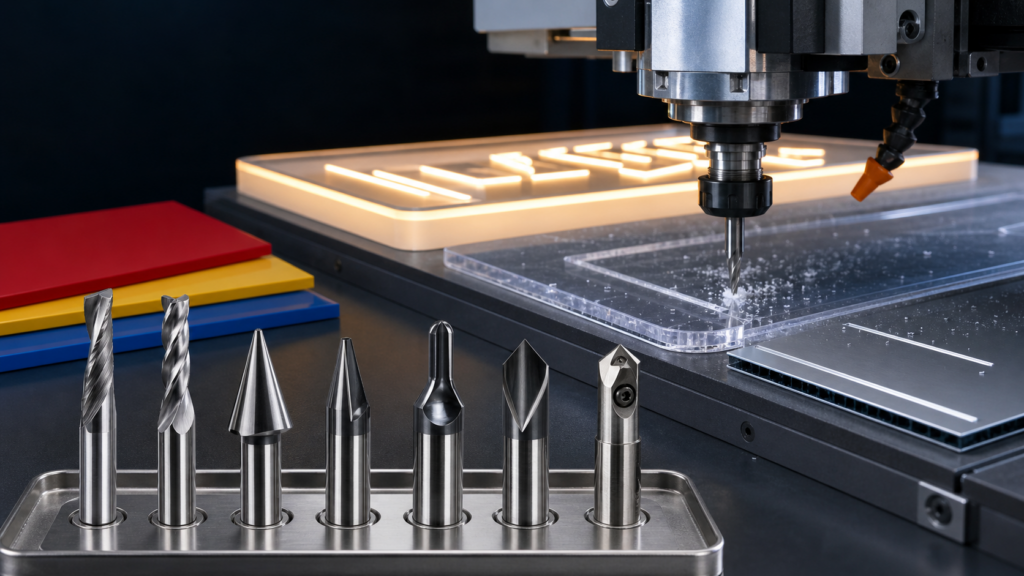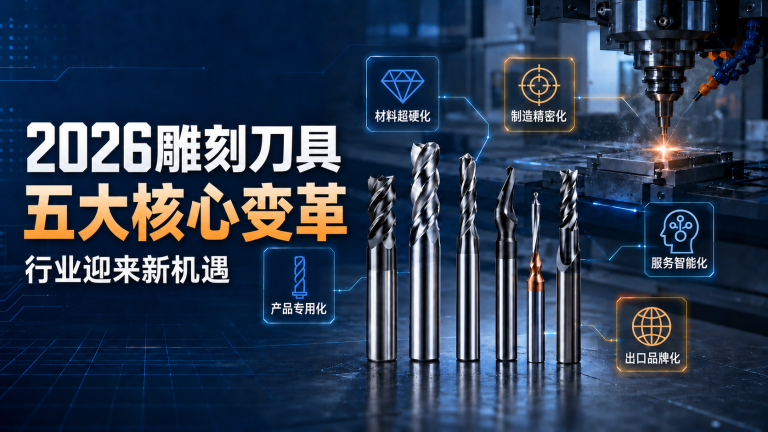
Advertising carving knives remain essential consumables for CNC sign making, acrylic lettering, PVC panels, aluminum composite panels, illuminated letters, and film cutting. In 2026, buyers are paying closer attention to chip evacuation, edge quality, tool life, and the ability to match a cutter to a specific board and machine. The practical trend is moving away from choosing a tool by appearance alone and toward application-based selection.
What is changing in the advertising-tool market?
Advertising workshops are handling more material types and shorter production runs. A single shop may cut clear acrylic, colored acrylic, PVC foam board, aluminum composite panel, and adhesive film in the same week. This creates demand for dedicated tool geometries rather than one general-purpose cutter for every job.
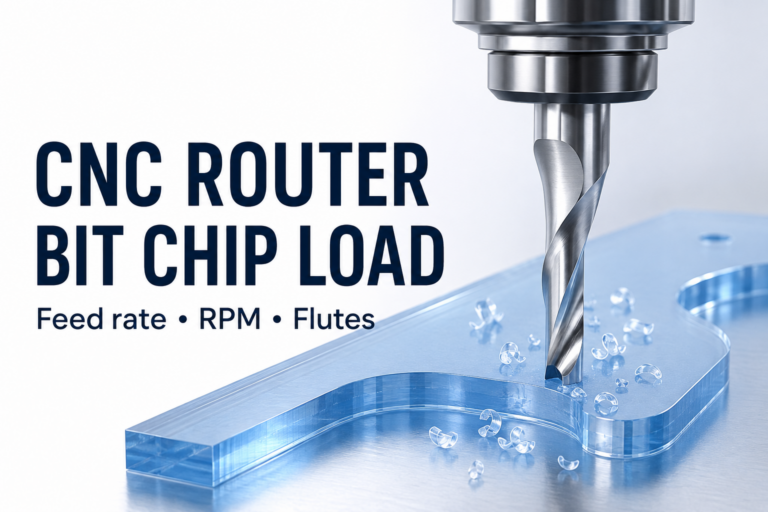
Single-flute spiral cutters continue to attract attention for acrylic and other plastics because their open flute provides useful chip space. When the cutter, collet, and workholding are clean and the cutting parameters are matched to the material, efficient chip evacuation can help reduce heat buildup and edge melting. Two-flute and specialty cutters remain useful when the required finish, rigidity, or machine setup calls for a different balance.
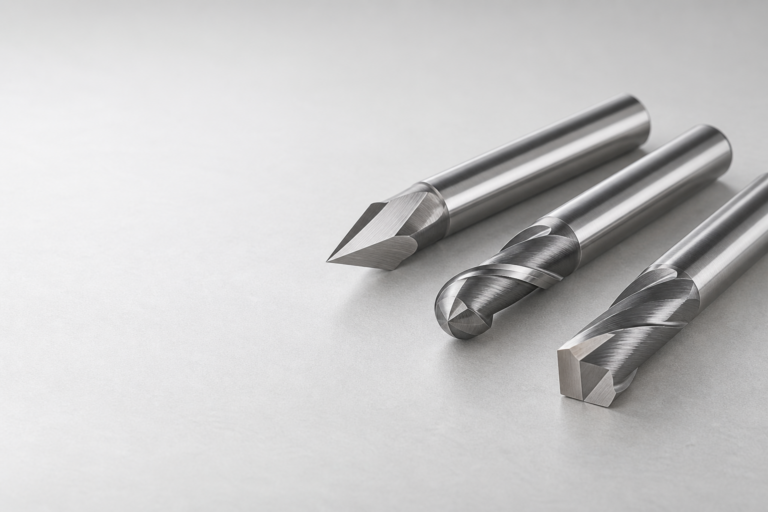
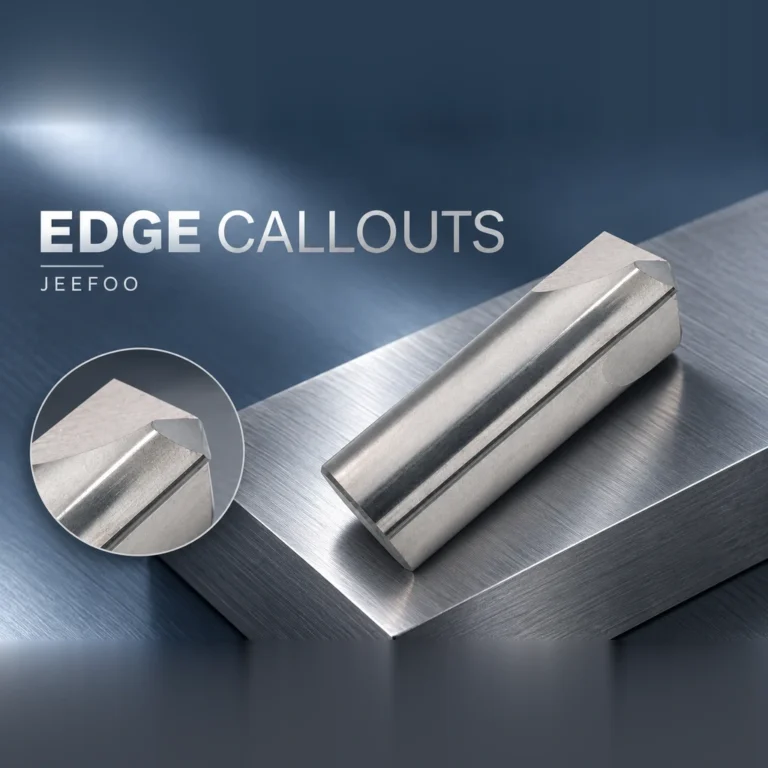
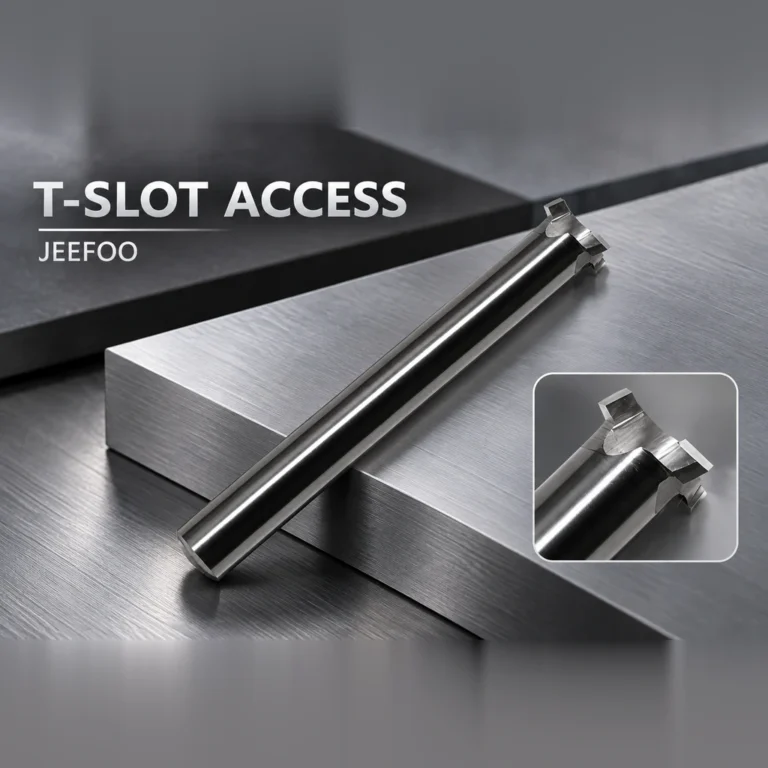
Taper engraving cutters, V-cutters, flat-bottom engraving tools, round-bottom cutters, and diamond or PCD tools each serve a different purpose. Tapered tools are useful for fine lettering and sign details. V-style tools help create clean grooves and chamfers. Diamond tools can be considered for high-volume work in abrasive composite materials when their cost and machine compatibility make sense.
Key technology and design trends
Tool substrates and coatings are developing toward longer usable life and more stable edge quality. Fine-grain carbide is valued for its combination of hardness and toughness, while low-friction coatings may help reduce material adhesion in suitable applications. Coating selection should still be based on the workpiece, cutting conditions, and the tool maker’s recommendations; a coating is not a substitute for correct speed, feed, runout control, or workholding.
Tool geometry is also becoming more application-specific. Large helix angles and strong chip-removal designs are commonly considered for thicker acrylic sheets. Left-hand and right-hand cutting directions can be selected to suit the machine, clamping arrangement, and desired chip direction. High-precision taper and V tools are used where lettering depth, groove width, and edge detail must remain consistent.
Customization is another important direction. Sign shops increasingly work with new composite, foamed, and flexible materials, so suppliers may need to support changes in cutting length, included angle, shank size, spiral direction, and step geometry. For buyers, the most useful supplier is one that can explain the application limits clearly and confirm the dimensions before production.
Common problems to watch for
The most frequent problems in advertising-tool work are not solved by simply buying a harder cutter. Melting acrylic may indicate insufficient chip removal, excessive heat, rubbing, a dull edge, or unsuitable parameters. White edges on plastic can be related to tool condition, machine runout, or the interaction between geometry and feed rate. Chipped edges may result from vibration, excessive engagement, poor workholding, or a mismatch between the cutter and the material.
Before blaming the tool, check the collet, tool projection, spindle condition, workholding, and actual cutting depth. Record the settings from a successful test cut so the same result can be repeated on the next batch.
How to select an advertising carving knife
- Identify the material, thickness, and surface finish required.
- Define the operation: profiling, slotting, pocketing, lettering, chamfering, or film cutting.
- Match the tool geometry and flute count to chip removal and edge quality.
- Confirm shank diameter, cutting diameter, cutting length, overall length, and included angle.
- Check cutting direction and the clearance available around the spindle and clamps.
- Start with a small test pattern and change one parameter at a time.
A reliable purchase specification should include the machine type, collet size, material name, material thickness, toolpath, desired edge finish, and production volume. This information helps the supplier recommend a suitable advertising carving knife instead of offering a generic tool with unclear limits.
Outlook for sign-making workshops
The advertising-tool industry is likely to keep moving toward application-specific cutters, faster technical support, and more repeatable process documentation. Workshops that standardize tool selection and record successful cutting conditions can reduce trial-and-error, improve edge consistency, and manage consumable costs more effectively.
The best industry update is therefore practical: use the right geometry for the material, verify the complete tool dimensions, control heat and chip evacuation, and validate every new combination with a test cut. When a project involves acrylic, PVC, composite panels, illuminated letters, or film, share the material and machine details with the tool supplier before ordering.
Buyers should verify carbide grade, coating claims, and runout requirements with the supplier before ordering. Clear specifications are more useful than unsupported performance promises.
A useful specification should state the shank, cutting diameter, cutting length, overall length, cutting direction, and intended material.
Small-batch sign shops can improve consistency by recording tool choice, workholding, and proven test-cut settings for each material.
The outlook favors application-specific cutters, responsive technical support, and repeatable process documentation for acrylic, PVC, composite panels, and illuminated-letter work.