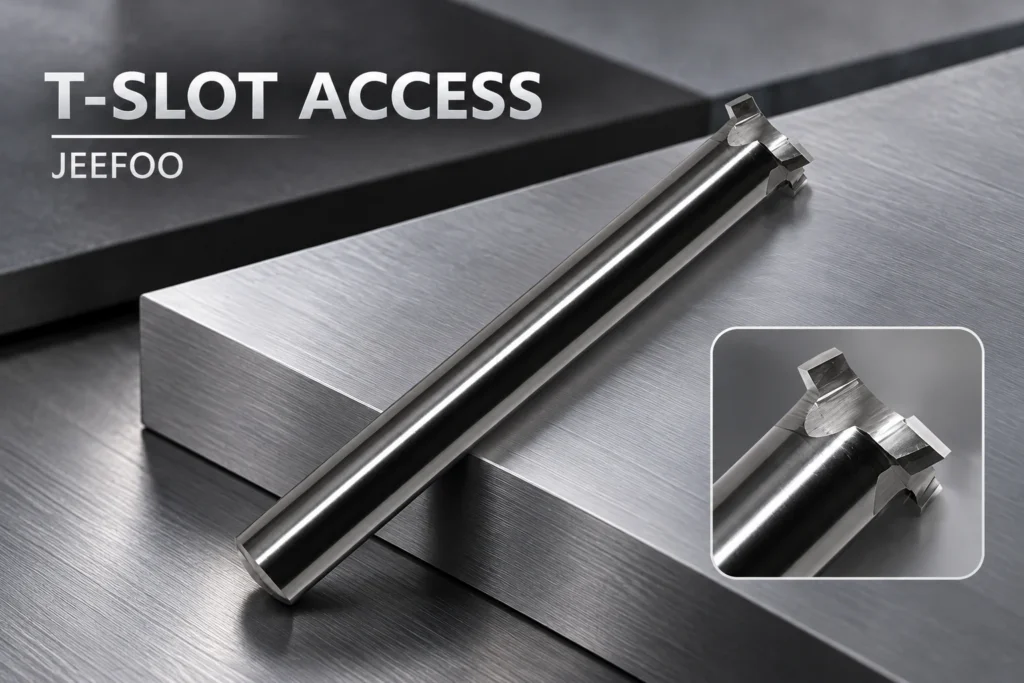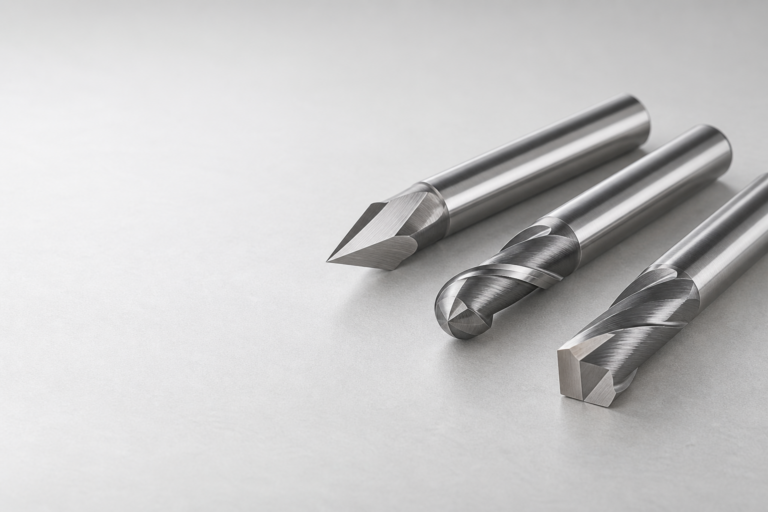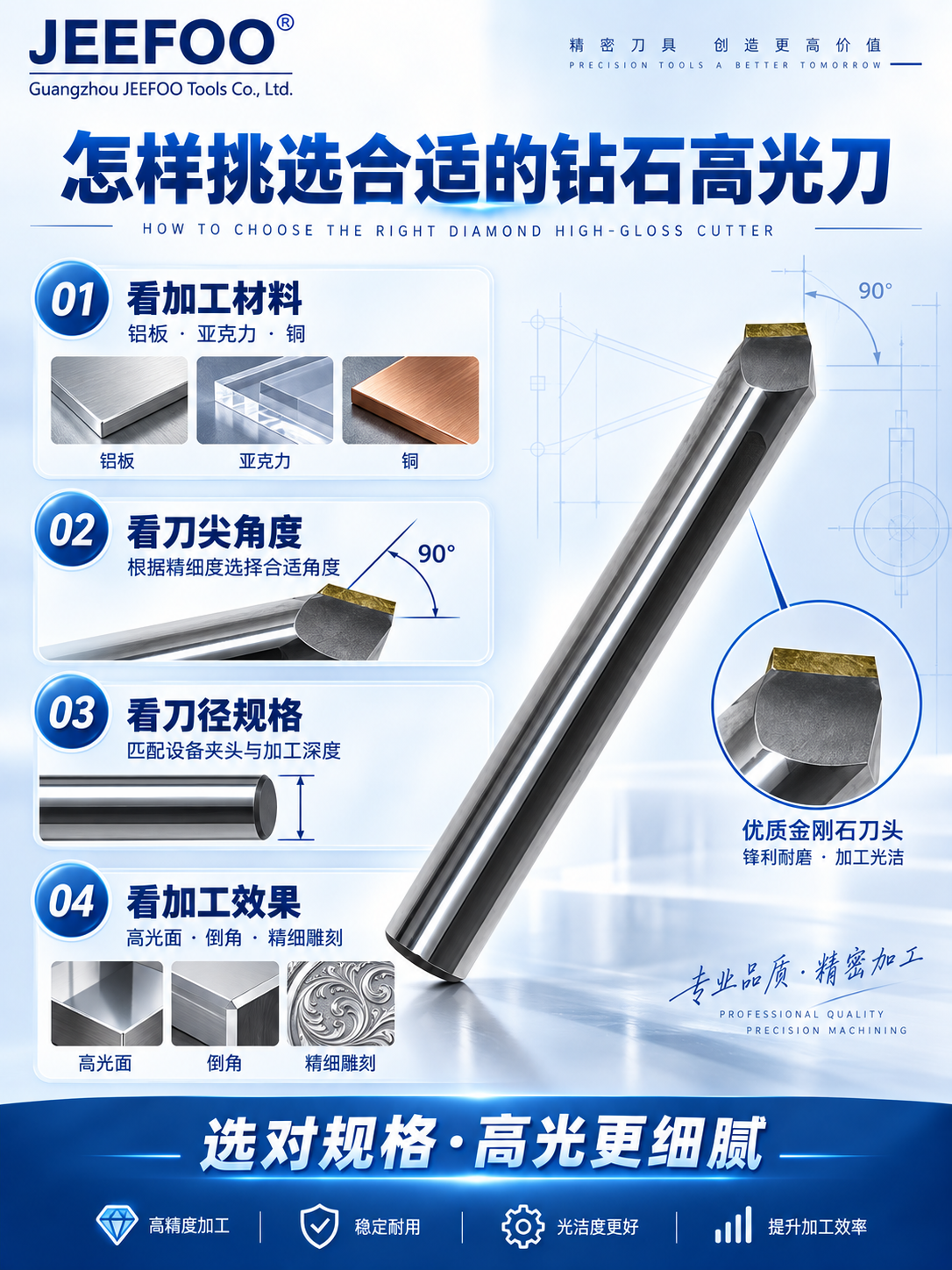
An aluminum T-slot cutter needs a clear route into and out of the feature before it can form an undercut. JEEFOO’s LF series includes dedicated T-slot tooling for aluminum applications. The finished groove drawing is only part of the planning task: the cutter head, neck and shank must all move through the available opening without interference.
1. Aluminum T-Slot Cutter Entry: Check the Opening
The narrow opening visible on a finished part may not admit the cutter head from above. Identify whether the tool can enter from an open end or through a separately machined access feature. Do this in the part model before choosing the machining sequence.
An access opening must accommodate the actual head envelope and the required approach motion. A simple centerline preview can hide collisions because it represents the path rather than the complete tool. Use the confirmed cutter drawing, including head thickness and neck geometry, instead of interpreting every number in a product code.
2. Check Neck Clearance Throughout the Move
Once the head is below a shoulder, the neck still needs clearance along the entire travel. Review nearby walls, changes in slot direction and any transition into a wider cavity. A section view is often more useful here than a top view.
Keep the operation within the cutter supplier’s approved capabilities. Do not assume a side-cutting head can plunge directly into solid stock. A conventional access-slot operation and a separate undercut operation should have distinct tool definitions and motion checks.
3. Plan the Exit and Interruption Recovery
The tool needs a valid route out after machining. Retracting vertically beneath an overhanging shoulder can collide with the part, even when the cutting pass itself was correct. Include the exit movement in the same simulation review as the entry.
Also document how a stopped program should be recovered under the machine manufacturer’s procedure. Operators should not improvise a rapid retract from inside the undercut. Keep clamps and other fixtures outside the full approach, cutting and departure envelope.
A successful aluminum T-slot cutter plan explains how the complete cutter reaches the groove and leaves it again. Resolve those motions first, then validate the cutting conditions for the specific aluminum alloy and machine.
Aluminum T-Slot Cutter: Quick Answers
Can the cutter plunge through the finished opening?
Do not assume it can. Check the confirmed head envelope, neck and shank against the access feature. A side-cutting head requires a separately verified entry strategy within its approved capabilities.
Why is a centreline preview insufficient?
It does not represent the complete tool and holder. Check the full assembly, stock, shoulders and fixtures during entry, lateral cutting and departure. General Sandvik Coromant milling guidance also treats stability and tool assembly conditions as part of process planning; it is not an LF-series parameter sheet.
Can the tool retract vertically from an undercut?
Only if the verified geometry permits it. A head below an overhanging shoulder may collide during a vertical retract. Document an approved exit and interruption-recovery route before cutting.
What information is needed for selection?
Send the aluminum alloy, finished groove section, access opening, available clearance, fixture model and machine details with your JEEFOO tooling enquiry. Confirm the actual cutter drawing before programming.A successful T-slot plan explains how the complete cutter reaches the groove and leaves it again. Resolve those motions first, then validate the cutting conditions for the specific aluminum alloy and machine.