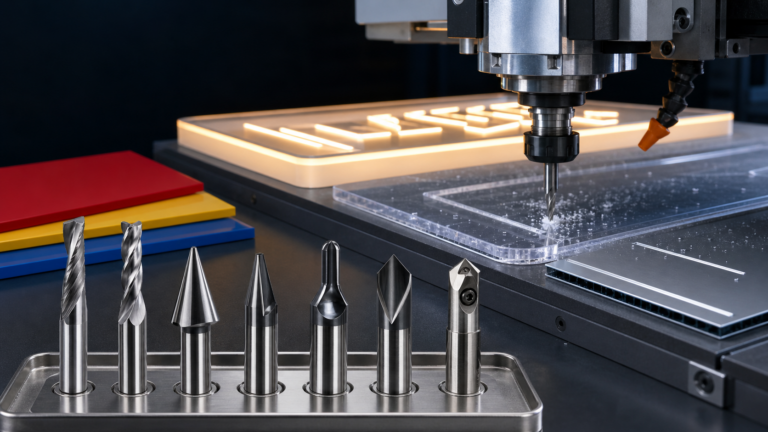
Carving Tools: Practical Functions and Applications
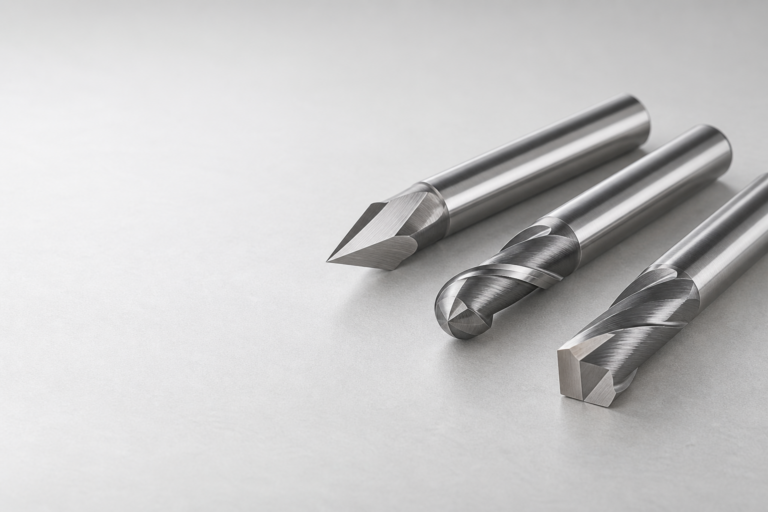
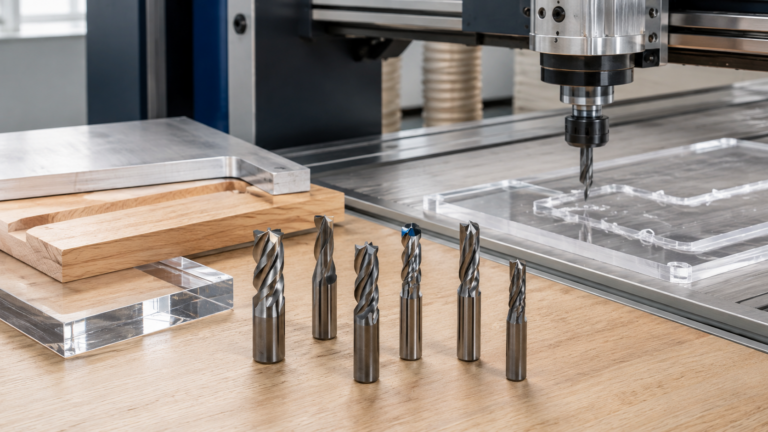
Carving tools are selected by the work they must perform, the material being cut, and the finish required. Their first practical function is accurate cutting and profiling: a suitable carbide cutter can follow a programmed outline through wood, acrylic, PVC, foam board, or other approved materials while maintaining a consistent edge. Tool diameter, cutting length, flute geometry, machine rigidity, and workholding all affect the result, so a cutter should be matched to the real thickness and toolpath rather than chosen by appearance alone. The second function is slotting and pocketing. Flat-bottom tools are used to open channels, clear pockets, prepare cabinet joints, and remove waste from relief areas. When chip evacuation is adequate and the depth of cut is controlled, the tool can produce a more uniform groove and reduce the need for manual cleanup. The third function is engraving and fine detail. V-cutters, tapered engraving tools, and small-diameter cutters can create lettering, borders, grooves, and shallow relief features. Fine detail depends on a sharp edge, low runout, correct tool projection, and a stable feed rate; excessive heat or vibration can quickly damage both the tool and the workpiece.
Six practical functions of carving tools
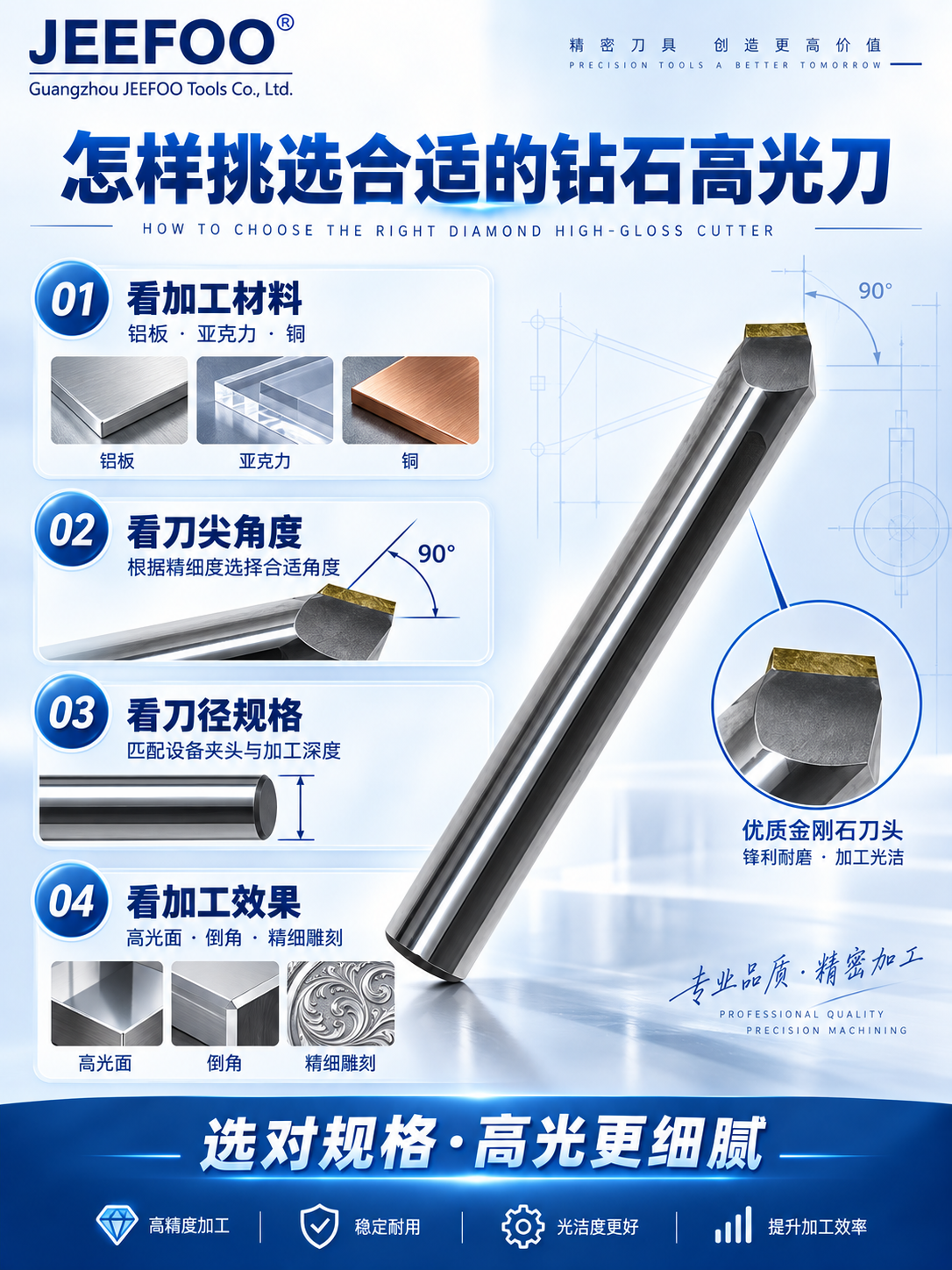
The fourth function is edge finishing. Chamfering cutters, round-over tools, and finishing geometries can soften sharp corners, improve handling safety, and give furniture panels, display parts, and advertising signs a more consistent appearance. The fifth function is controlled work on harder or more abrasive materials. Diamond or other purpose-built tools may be considered for stone, ceramic, composite, or high-wear applications when the machine, coolant or dust control, and tooling system are suitable. The sixth function is repeatable production: the right carving tool helps a workshop standardize a toolpath, record proven settings, and reproduce the same result across a batch. Selection should begin with the material, thickness, operation, spindle or router capacity, collet size, and desired surface finish. Confirm the shank, cutting diameter, cutting length, overall length, cutting direction, and any included angle before ordering. During setup, keep the collet and tool holder clean, minimize tool projection, clamp the workpiece securely, and run a small test pattern before a full production pass. Start conservatively and change one cutting parameter at a time so the cause of a result is clear. Excessive heat, rubbing, chatter, melting, or chipped edges are signals to stop and check runout, workholding, tool condition, engagement, and chip evacuation. Routine inspection and timely replacement of worn cutters protect the finish and reduce unexpected downtime. In short, carving tools are not interchangeable accessories: their value comes from matching geometry and dimensions to a defined application, then documenting the setup that works.