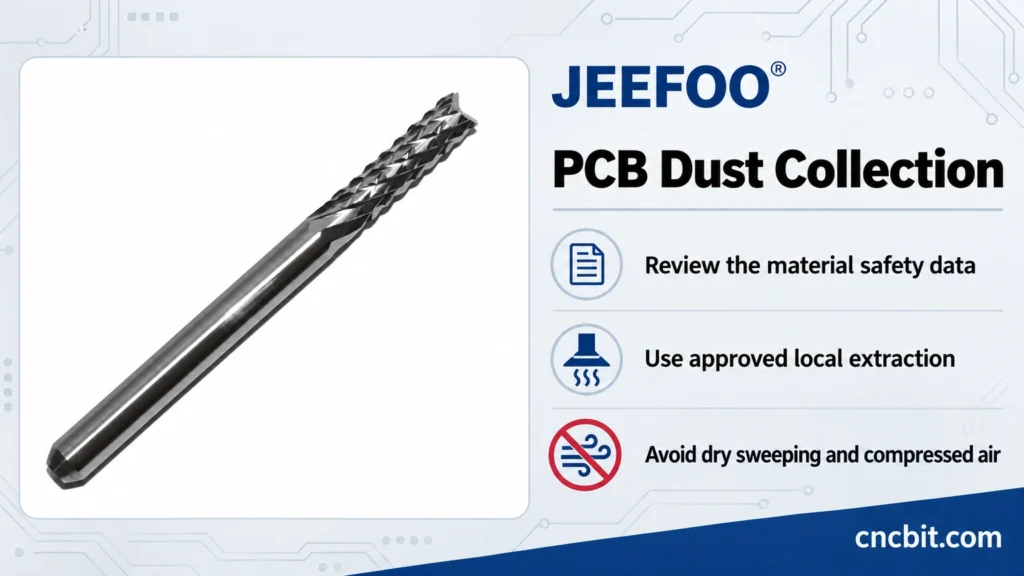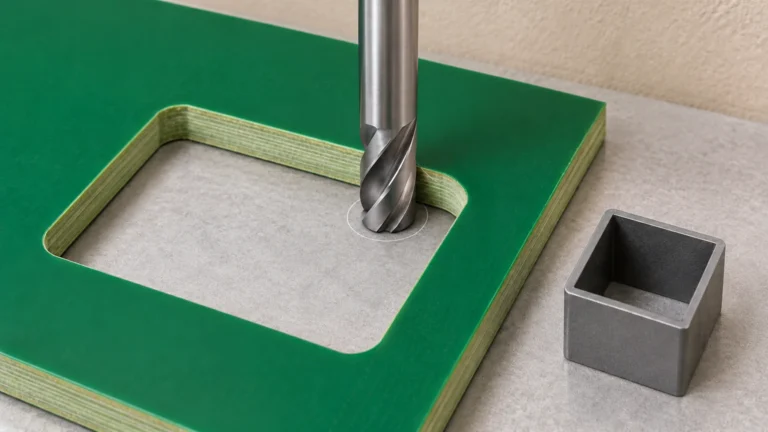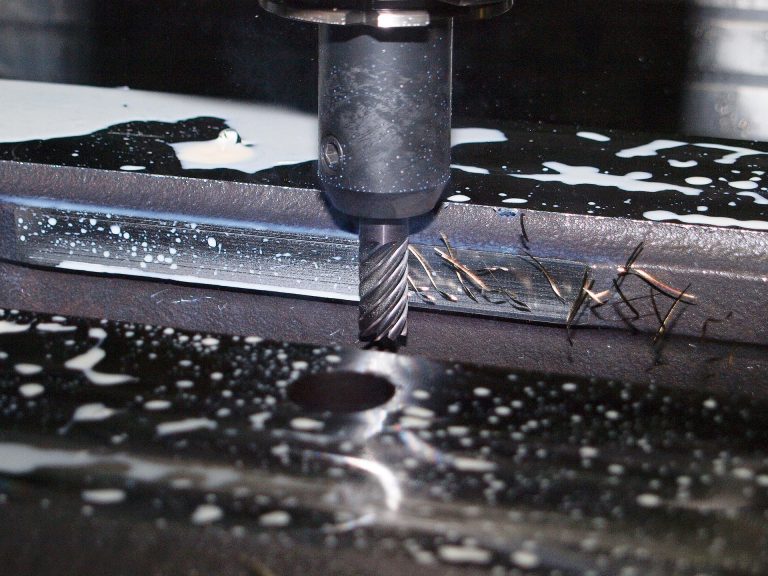
PCB dust collection should capture machining dust close to where it forms and keep settled material from becoming airborne again. Select controls for the actual laminate, process, and equipment, using the supplier’s current safety information and applicable workplace requirements.
1. Identify Materials for PCB Dust Collection
Keep the laminate identification with the job and obtain its current safety data sheet or equivalent supplier safety document. Review machining precautions as well as information for the supplied solid sheet. A general label such as circuit board does not describe every resin, reinforcement, coating, or metal present. Ask a competent workplace safety adviser to resolve missing information before introducing an unfamiliar material or changing the process.
2. Check Capture at the Machining Point
Use an enclosure and local extraction arrangement appropriate to the machine and dust. Check the hood position, hose connections, collection capacity, and the system’s performance indicators according to its instructions. A running fan alone does not verify effective capture. Include filter servicing and blockage checks in the maintenance procedure. If capture visibly deteriorates or an extraction fault occurs, stop and investigate under the site’s operating procedure before continuing production.
3. Clean Without Redistributing Dust
Avoid compressed-air blowdown and dry sweeping of PCB machining dust. HSE guidance explains that these methods return settled dust to the air. Use industrial vacuum equipment selected for the material and workplace assessment, with suitable filtration and containment. Do not assume that a domestic vacuum is appropriate. Damp cleaning requires confirmation that it is compatible with the equipment and material; introducing moisture around electrical systems is not a general-purpose substitute for a defined cleanup procedure.
4. Plan Servicing, Waste, and Personal Protection
Plan how collection containers are emptied and filters are changed without unnecessary dust release. Follow equipment isolation procedures before servicing and use the specified protective equipment. Choose respiratory protection, where needed, through the workplace assessment and local requirements rather than a generic online recommendation. Label and manage collected waste under the applicable disposal procedure. Keep cleanup responsibilities and maintenance records accessible to operators working across shifts. Make the shutdown and reporting steps clear enough that temporary staff can recognise and respond to a control failure.
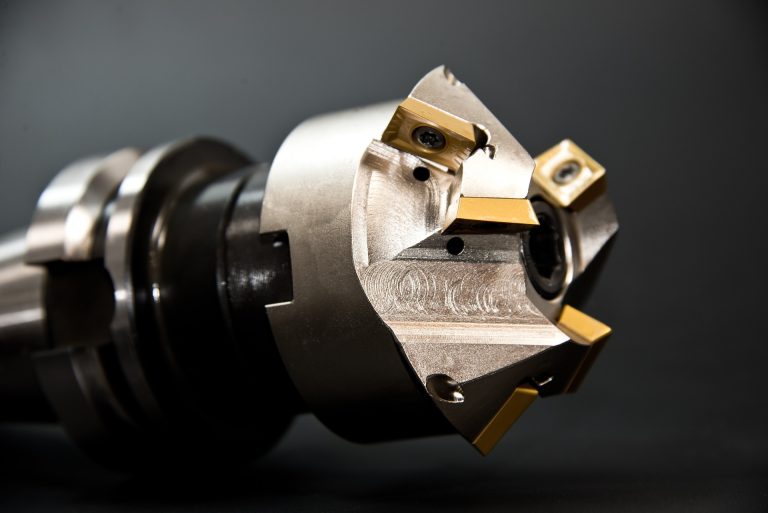
Effective PCB dust collection combines verified capture, suitable cleanup equipment, and disciplined servicing. JEEFOO® tooling selection should sit within that wider machining plan, with material-specific safety decisions confirmed before cutting begins. Keep the material identification, extraction checks, maintenance dates, and cleanup procedure together so operators can review the same information across shifts.
PCB Dust Collection: Quick Answers
Is a running extraction fan enough?
No. Check capture at the machining point and the equipment performance indicators. Review hood position, connections, blockages, and filter condition according to the system instructions.
Can compressed air be used for cleanup?
Avoid compressed-air blowdown because it can return settled dust to the air. Select industrial vacuum equipment with filtration and containment appropriate to the material and workplace assessment.
What information should operators keep?
Keep the laminate identification, current supplier safety information, extraction checks, servicing records, and cleanup procedure together. Confirm material-specific controls before machining.