Aluminum remelting changes the metal’s shape; it does not automatically restore a chosen alloy composition. That distinction connects a recycling discussion at ALUMINIUM 2026 with an everyday machining question: what does the material description actually tell us about the stock entering the spindle?

What the exhibition discussion brings into focus
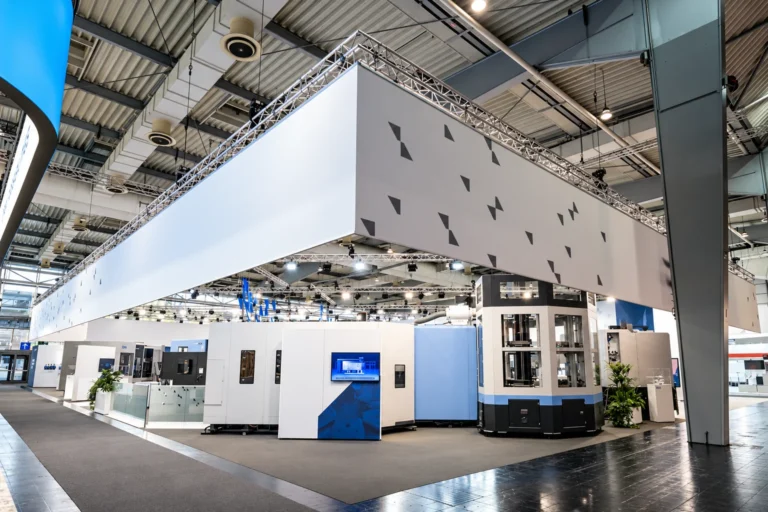
ALUMINIUM 2026 took place in Düsseldorf, Germany, on 6–8 October. The organizer’s 24 September program announcement placed chip processing within its Sustainability and Recycling Conference, alongside traceability and verified data. Those were announced discussion topics—not measured results for every machining workshop.
A separate 14 October retrospective from HAI described circularity and recycling as part of the conversation about supply resilience. Read together, the two accounts frame recycling as an industrial transformation involving both material and information. This article draws on those published accounts; it does not claim JEEFOO attended the exhibition.
Aluminum remelting changes shape, not the alloy specification
A machined profile, a small chip and a cast billet look very different. Melting can erase those visible shapes, but appearance is not an alloy specification. The useful question is not whether the material looks like aluminum again. It is whether its composition can meet the requirements of the next product.
The International Aluminium Institute’s process overview explains that scrap charges are selected using analysis of alloy composition. It then describes refining, including degassing, magnesium reduction and the addition of alloying elements before casting. These separate stages show why “melt it down” is an incomplete description of producing a specified recycled alloy.
This does not mean that mixed material is automatically unusable, or that every alloying element can be removed by the same treatment. It means the next target composition matters. A suitable furnace charge and refining route must be determined by the recycler; a workshop cannot infer them from the color of its chips.
Surface contamination is a different issue from alloy composition. The same Institute overview notes that turnings may require oil removal before melting. Removing an external contaminant and adjusting the elements in a melt are not interchangeable tasks. Confusing them can turn a statement about cleaner scrap into an unsupported claim that a target alloy has already been restored.
Sorting technology addresses chemistry, not just shape
Hydro’s explanation of HySort technology describes laser-induced breakdown spectroscopy as a way to recover specific aluminum alloys from end-of-life products. The significance is the ability to distinguish material that may look similar but does not have identical composition. That source concerns Hydro’s technology, not equipment supplied by JEEFOO.
There is a limit to what follows from the example. An industrial sorting technology does not establish the chemistry of an unidentified piece of workshop stock. Nor does it prove that a particular collection of machining chips can go directly back into its original application. Those outcomes require material evidence and an appropriate recycling process, not simply a circular arrow in a diagram.
Recycled origin is not a cutting-data category
For the machining team, the practical implication is to keep two descriptions separate: where the metal came from and what material has been supplied. A recycled-content statement answers an origin question. It does not replace the alloy and condition specified for a part, and it cannot by itself select a spindle speed, feed or cutter.
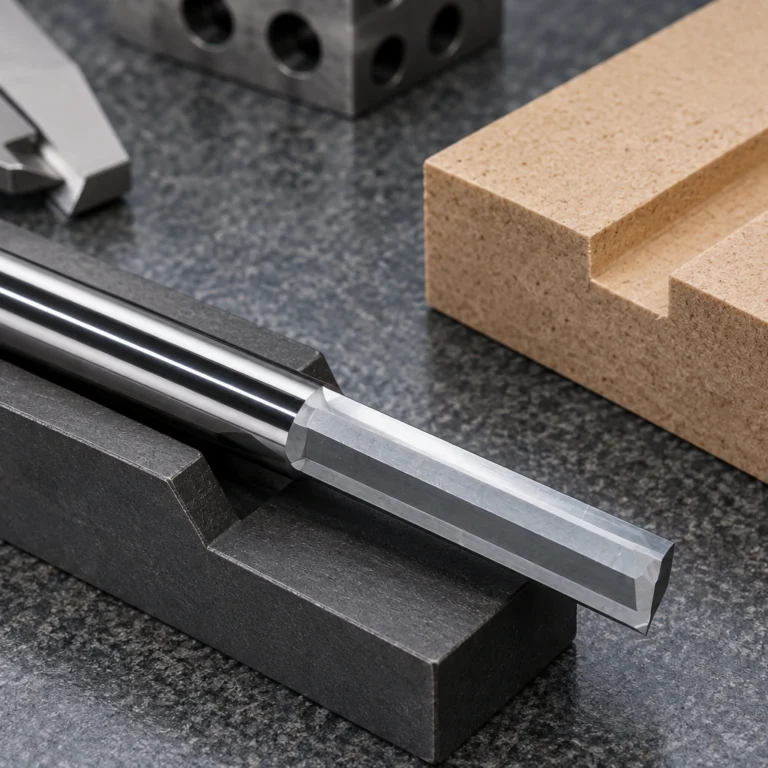
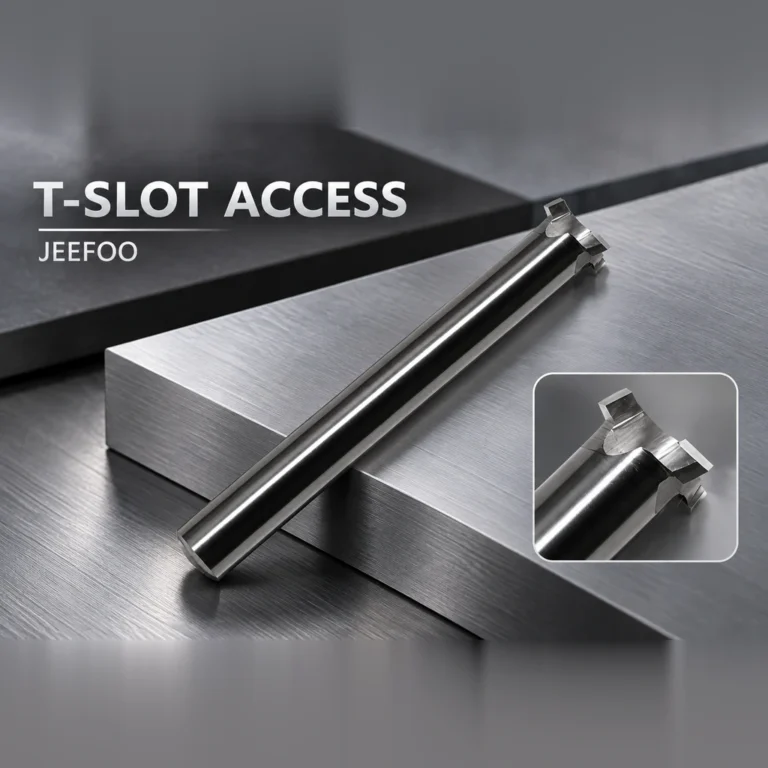
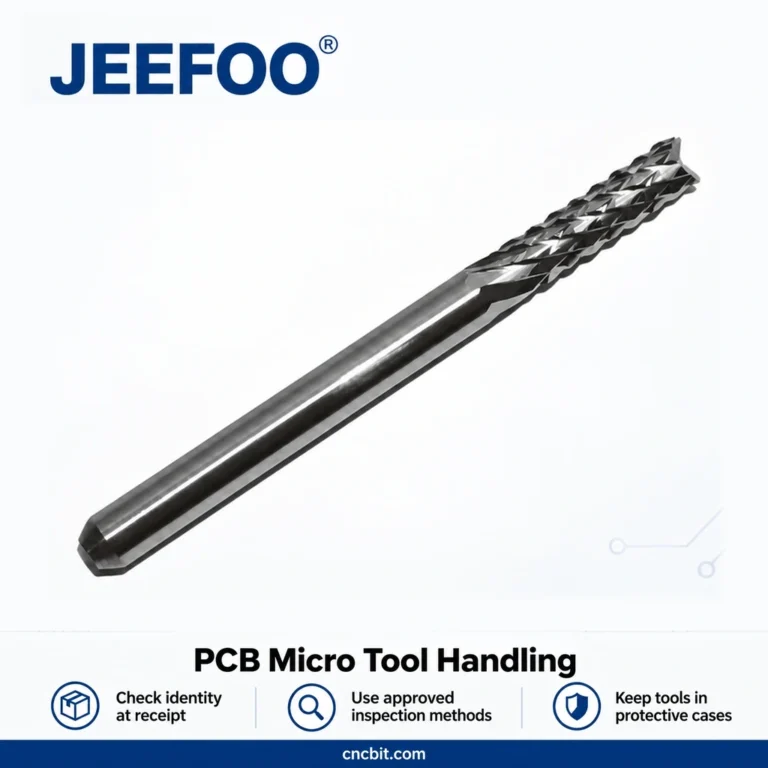
JEEFOO’s local catalog includes an LI coated single-flute cutter for aluminum-alloy doors and windows. Its stated application links the discussion to real profile machining. The listing does not establish a universal operating recipe for recycled metal or demonstrate that different alloy conditions are interchangeable. Application guidance still needs the actual supplied material and the intended operation.
The useful boundary
Recycling and machining meet at a material specification, not at the word “aluminum” alone. The exhibition’s chip-processing theme is therefore more than a waste-handling story: it points toward the chemistry that remains important after familiar shapes disappear. Keeping that boundary clear avoids two opposite mistakes—treating recycled metal as inherently inferior, or assuming remelting makes all aluminum equivalent. Neither conclusion follows from the sources.