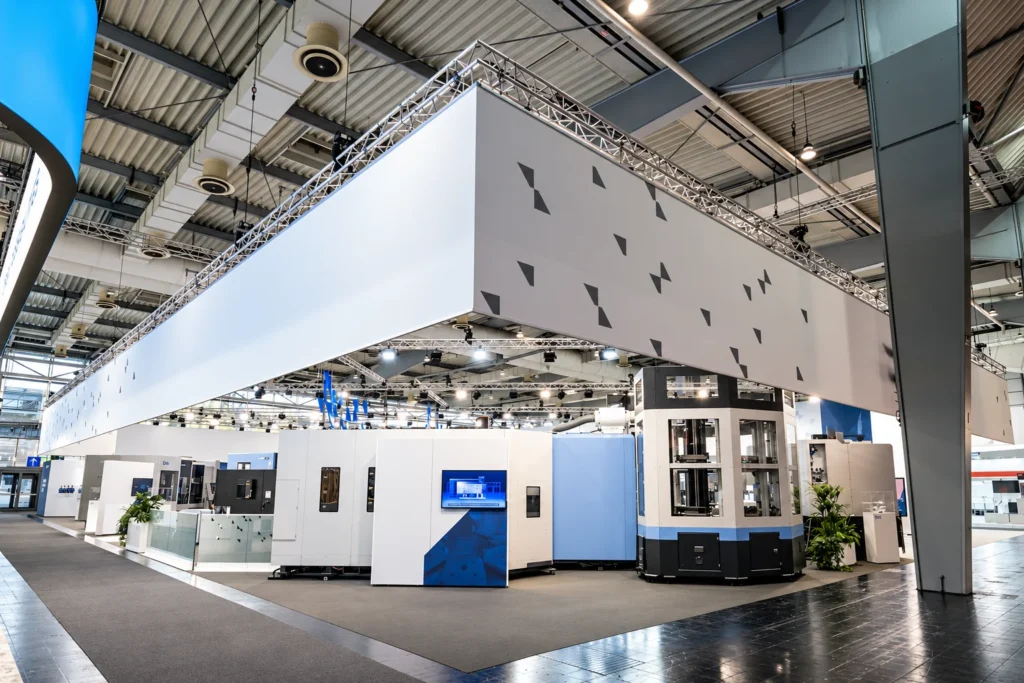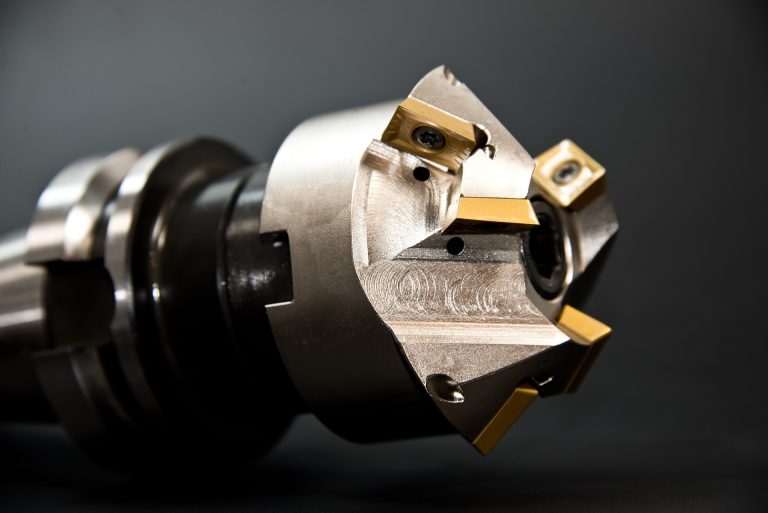
AI recreation based on a real EMO Hannover 2025 exhibition photograph; not an on-site photograph or evidence of our participation.
CNC tool procurement should be considered while a machining cell is being specified, not after installation. EMO Hannover 2025 ran from 22 to 26 September 2025 in Hannover, Germany. A documented machine-builder stand provides the visual reference for this retrospective checklist. It does not establish that our company attended or supplied tools to the machines shown.
CNC Tool Procurement: Start With the Intended Parts
Give the equipment supplier representative part drawings, identified materials and the operations that need approval. Ask which features will be demonstrated and which remain outside the test. A machine enclosure or storage system seen at an exhibition is not evidence that every engraving cutter can be used in that installation.
Define the complete interface chain
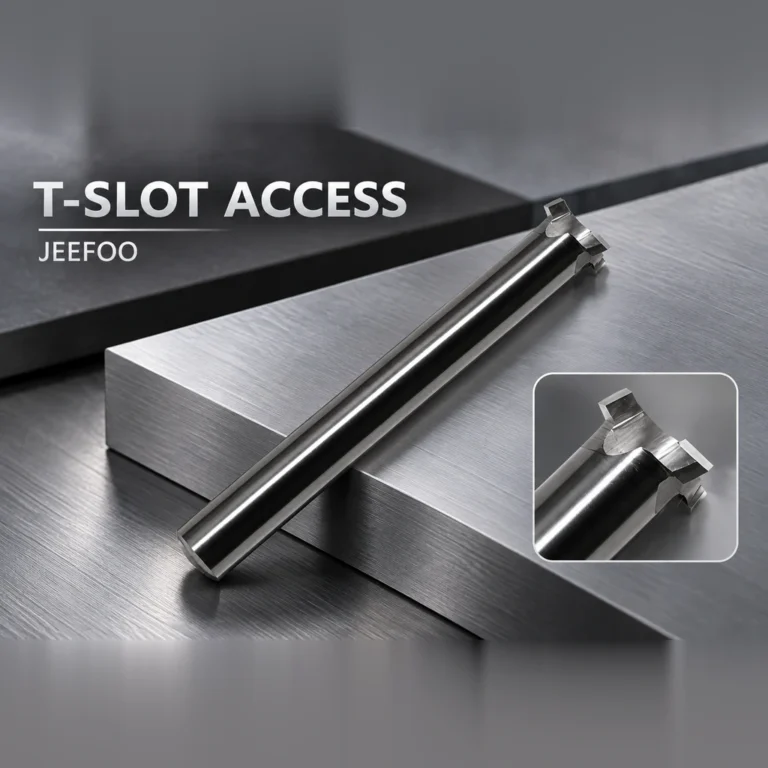
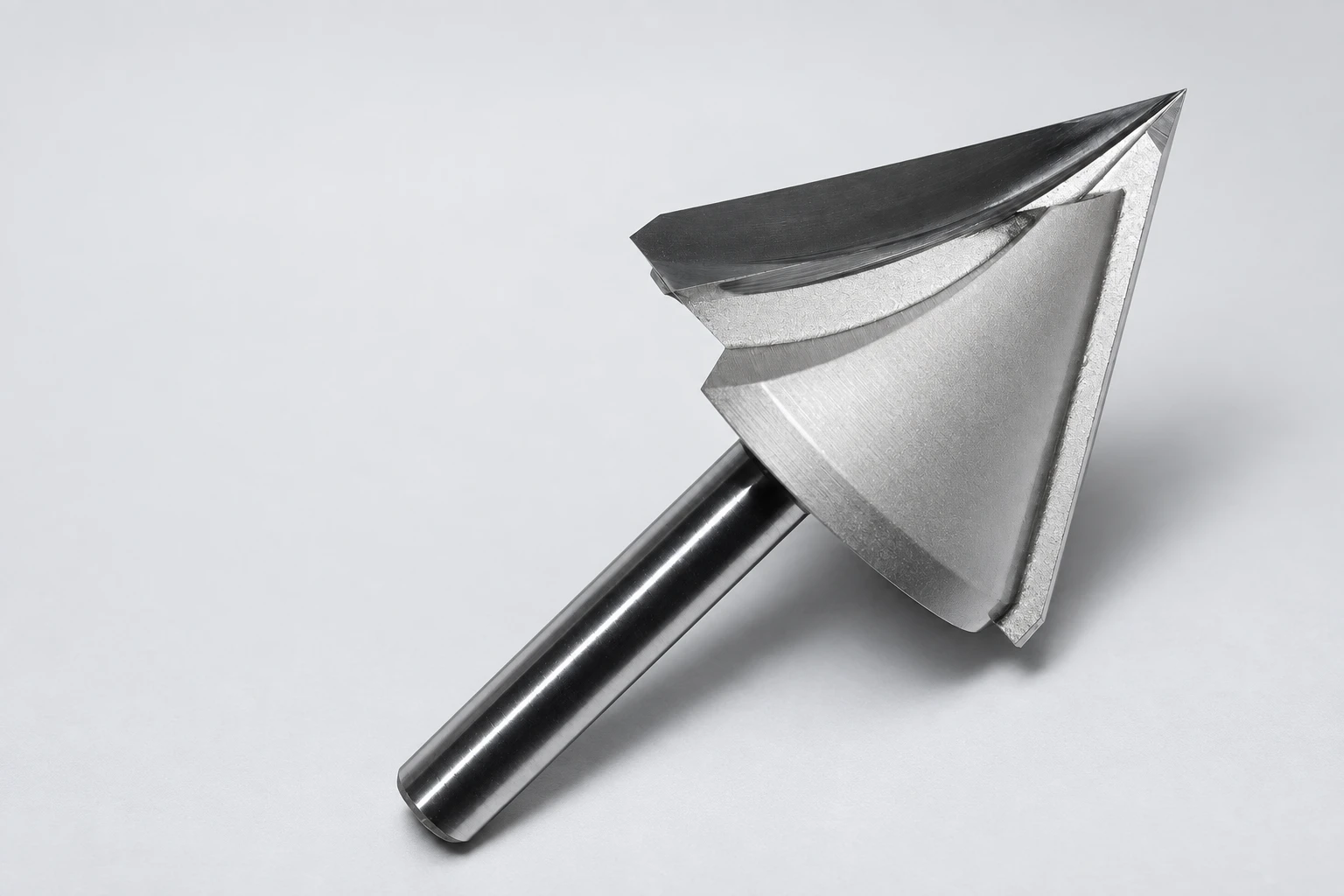
Request the approved spindle interface, toolholding arrangement and relevant installation limits. Then check the proposed cutter against its own product documentation. Record unresolved dimensions rather than filling them in from photographs. If an attachment or holder is proposed, ask who is responsible for confirming the complete assembly, including clearance and the intended operating conditions.
Keep the acceptance test job-specific
Agree a trial using the buyer’s representative workpiece and acceptance criteria. Document the cutter identification, setup and measured features. Separate part quality from handling and storage demonstrations: a successful transfer sequence alone cannot qualify a machining process. Keep the test record with the quotation so later substitutions can be reviewed against the same baseline.
Request an itemised support package
List the machine, holders, cutters and replaceable items separately. Clarify the documentation, training and replenishment information included in the proposal. Avoid estimating tool life, unattended production or payback from a stand photograph. Where a claim affects the purchasing decision, ask for the conditions and evidence behind it.
Summary
The useful takeaway is coordination: approve the machine configuration and the cutting-tool assembly as related but distinct decisions. Exhibition references can help buyers prepare questions; documented application tests should determine acceptance.
CNC Tool Procurement: Quick Answers
Does an exhibition demonstration qualify a machining cell?
No. A demonstration shows the exhibited configuration and conditions. Agree the actual parts, materials, setup, inspection method, and acceptance limits with the supplier before treating the result as relevant to your production.
Who should confirm the cutter and holder interface?
Name the responsible supplier or technical reviewer in the proposal. Confirm spindle interface, holder, cutter dimensions, projection, clearance, and operating limits as one assembly. Record any unanswered question before approving a substitution.
Which documents help with repeat orders?
Keep the itemised quotation, approved tool drawings, part and program revisions, holder references, trial results, and agreed replacement procedure together. A series name or photograph alone cannot identify every required dimension or support obligation.
For event context, see the official EMO 2025 final report, published on 26 September 2025. It discusses AI and automation across the exhibition; it does not confirm JEEFOO participation or qualify a particular tool assembly. Our carving tool instructions outline general installation and trial checks for the next stage of procurement.